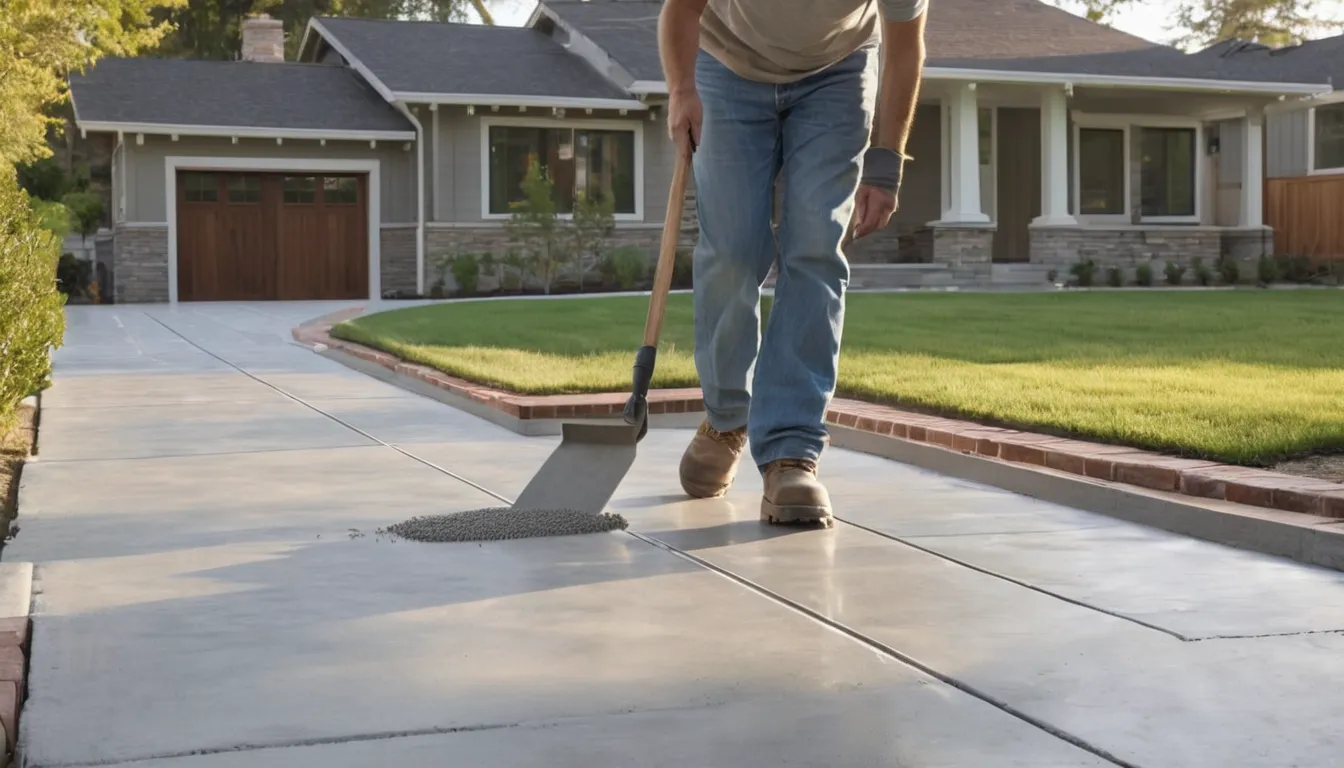
New Concrete Driveways for Chicago Homes
Request an estimate for your driveway
A driveway takes daily weight, salt, rain, and frost. Over time it cracks, sinks, or flakes. The first small signs are easy to miss. They are also the ideal moment to plan a replacement before the damage spreads to more slabs.
Conventionalways Concrete is a referral service. We do not pour concrete. We connect your request with an independent provider in our network who serves the Chicago area. The provider visits, measures, explains the steps, and sets the price. You compare written quotes and choose what fits your home and your schedule. There is no obligation to hire anyone.
Start Here: Is It Time for a New Driveway?
A driveway rarely fails overnight. It sends signals first. Catch them early and you can plan the job around your family's week instead of reacting to a bad surprise. This page lists the signs, the steps, and the questions to ask a provider.
Early Warning Signs, Most Urgent First
Check these in order. The ones at the top need attention soonest.
1. Sunken or Tilted Slabs
A slab that drops or rocks can trip a child or scrape a car. It often means the soil underneath has washed out or shifted. Spring flooding makes this worse.
2. Water Running Toward the House
If runoff drains toward the garage or a basement wall, act soon. Homes with full basements and sump pumps feel this first. Pooling next to the house may also call for a separate foundation repair expert, so mention it when you request an estimate.
3. Wide or Spreading Cracks
Hairline cracks are common. Cracks wider than a pencil edge, or with uneven sides, are not. Cold winters with deep frost let water in, then push the gap wider each year.
4. Flaking and Crumbling Surface
Scaling shows that de-icing salt and frost have worn the top layer. Crumbling edges near the garage door or street usually come next.
5. Stains and Rough Patches
These are the least urgent. They look tired, but they alone rarely mean the slab has failed.
Repair or Replace?
Concrete driveway repair can work when damage is limited to one or two spots. Crack filling, patching, and sealing are common options. Replacement makes more sense when cracks run across many slabs, the surface keeps flaking, or the base has settled.
Ask each provider to explain both paths in writing. Then compare.
What a New Driveway Project Includes
Expect these steps, in this order:
1. Site visit and measurements. 2. Removal and hauling of the old slab. 3. Grading and a compacted gravel base. 4. Forms, reinforcement, and joint layout. 5. Pour, finish, and cutting of control joints. 6. Curing and sealing.
This kind of concrete flatwork depends on the base as much as the concrete. A thin or loose base is a common reason new slabs crack early.
Choosing Size, Thickness and Finish
Decide these three items before you compare quotes:
- Size: Measure parking needs, turning space, and walkway links.
- Thickness: Four inches is typical for cars. Heavier trucks or RVs may need more.
- Finish: A broom finish gives grip when wet or icy. Smooth finishes can get slick.
Plan Around Life
A busy household needs a calm schedule. Ask the provider for a start date, the number of working days, and the curing time before you can drive on the slab.
- Park cars on the street or at a neighbor's, with notice.
- Plan school drop-offs and deliveries around the blocked days.
- Keep kids and pets away from wet concrete and open forms.
- Ask how the crew will protect the lawn and walkways.
Weather and Timing
Concrete does not like extremes. Hard frost can damage a fresh pour. Heat and humidity speed up setting. Severe thunderstorms and hail can ruin an unprotected surface. Good providers watch the forecast and move the date when needed. Expect some flexibility on your end.
Permits and the Street Apron
The apron is the strip where your driveway meets the street. It often sits on public land. Many towns require a permit and set rules for its width, slope, and thickness. Some also require an inspection.
Ask the provider who pulls the permit and whether the quote includes the fee. Check your local rules before work starts.
Choosing a Concrete Provider
Use this checklist:
- Ask for proof of license and insurance where your area requires it.
- Ask how deep the base will be and what reinforcement is planned.
- Ask about drainage and slope away from the house.
- Ask how long the work will take and what happens if weather delays it.
- Ask for photos of similar finished driveways.
Comparing Written Quotes
Get at least two. Line up the same items side by side: removal, base, thickness, reinforcement, joints, sealing, and permits. A quote that skips one of these may look cheaper but cost more later.
After the Pour
First, keep foot traffic off for the time the provider gives you. Next, keep cars off until the slab has cured. Then keep sprinklers and downspouts from soaking the edges.
- Seal the surface when the provider advises.
- Rinse off salt each winter.
- Use plastic shovels where you can.
- Fill new hairline cracks early.
How Conventionalways Concrete Fits In
Conventionalways Concrete does not do the work. You send a request, and we point it to an independent provider in our network. The provider handles the visit, the quote, and the job. Request a callback to check provider availability, or use the request form. Either way, you decide whether to move forward.
What's Included
Old Slab Removal and Hauling
The provider breaks up the worn driveway, loads the pieces, and clears the area for fresh work.
Base and Grading
A compacted gravel base and proper slope help water move away from the house.
Forms and Reinforcement
Wood forms set the shape. Rebar or mesh adds strength against cracking.
Pour, Finish, and Sealing
Concrete is placed, smoothed, and jointed, then cured and sealed as advised.
Typical Concrete Driveway Costs in the U.S.
These are general U.S. ranges. Your price depends on size, site access, and finish, so always get a written quote from each provider.
| Item | Typical range | Notes |
|---|---|---|
| New plain concrete, per sq ft | $6 – $12 | Standard four-inch slab with broom finish |
| Two-car driveway, total | $4,500 – $9,000 | Roughly 400 to 700 square feet |
| Old slab removal and hauling | $1 – $3 per sq ft | Higher for thick or reinforced slabs |
| Gravel base and grading | $1 – $3 per sq ft | Poor soil or slope can raise the cost |
| Decorative finish upgrade | $2 – $8 per sq ft | Colors, borders, or exposed aggregate |
| Permit and apron work | $100 – $2,500 | Varies widely by town and apron size |
How It Works
Send Your Request
Tell us about your driveway, the signs you see, and when you would like to start.
Get Matched With a Provider
We refer your request to an independent provider in our network who serves your area.
Compare Written Quotes
The provider visits, measures, and explains the plan. Compare scope, materials, and timing.
Choose and Schedule
Pick the quote that fits. Set dates around your household and the weather.
Why Call Conventionalways Concrete
Clear Order of Steps
We lay out the signs and steps in plain order so you know what comes first.
Local Providers
Requests go to independent providers in our network who work with local weather and soil.
Honest Roles
We refer. The provider does the work and sets the price, in writing.
Low Disruption
Planning ahead helps you pick dates that fit school runs, work, and family life.
Other Services
Need concrete driveways in Chicago?
Tell us what you are planning. Request a callback to check provider availability, or send a request and a local provider will follow up.
No obligationConcrete Driveways FAQ
How do I know if my driveway needs replacing?
Look for sunken slabs, wide cracks, flaking, and water running toward the house. One small crack can often be sealed. Many damaged slabs or a settled base usually point to replacement. A provider can confirm.
How long does a new concrete driveway take to cure?
Foot traffic is often fine after a day or two. Cars usually need about a week, and full strength takes about 28 days. Your provider will give exact timing based on weather and the mix used.
Do I need a permit to replace my driveway?
Many towns require a permit, especially for the street apron. Rules differ by location. Ask your provider who handles it, and check with your local building office before any work begins.
Reach a local provider
Tell us what you are planning. Request a callback to check provider availability, or send a request and a local provider will follow up.
No obligation