Stamped Concrete Help for Your Home
Request an estimate from a local provider
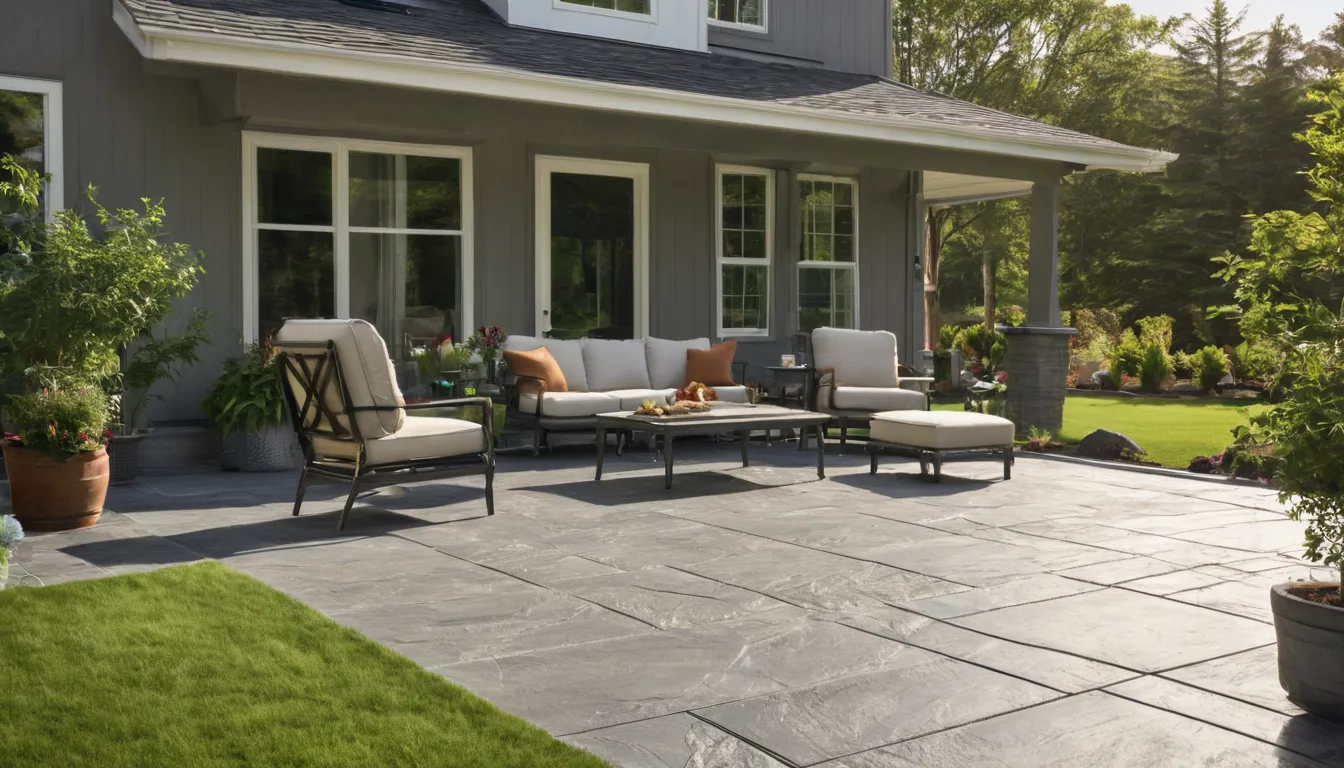
Stamped concrete is regular concrete that is colored and pressed with patterns while it is still soft. It can look like slate, brick, or wood, yet it is poured as one solid slab. That makes it a popular upgrade for tired, plain patios and walkways.
Conventionalways Concrete is a referral service. We help you sort out your goals, spot early warning signs on an old slab, and send your request to an independent local provider. The providers do the work and set the prices. You get a clear list of steps and a written quote to compare, with no obligation.
First, Check If Stamped Concrete Fits
Start with three questions. What will the space be used for? How much foot traffic will it get? Do you want the look of stone without the many joints?
If you answered yes to the last one, stamped concrete is worth a look. It is a form of concrete flatwork, so it is poured in one piece and then given its pattern.
First, Spot It: Signs Your Old Slab Is Ready for a Change
A slab often gives hints before it fails. Look for these:
- Hairline cracks that keep growing
- Flaking or pitted surface after winter
- Water pooling after rain
- Stains that no longer wash out
- Edges that crumble or sink
This site covers new projects, not concrete driveway repair. If a slab sinks near your house wall, ask a local provider whether a separate check by foundation repair experts is wise before you pour anything new.
How Stamped Concrete Is Made
The process follows a set order. Knowing it helps you read a quote.
Step 1: Base and Forms
The provider removes old material if needed, grades the soil, and lays a compacted gravel base. Wood forms mark the edges. Good drainage here matters most.
Step 2: Color and Pour
Color is added to the mix or brushed on the surface. Then the concrete is poured and smoothed.
Step 3: Stamping and Sealing
While the surface is still workable, the crew presses in mats that leave the pattern. Later, control joints are cut and a sealer is applied.
Popular Patterns and Colors
Patterns
Common choices include:
- Ashlar slate, for a natural stone look
- Running bond brick, for a classic feel
- Wood plank, for a deck-like surface
- Cobblestone, for a rustic path
Colors
Earth tones such as tan, gray, and soft brown hide dust and leaves well. Darker shades can look rich but get warm in hot summer sun. Ask for a sample board before you decide.
Where Stamped Concrete Works Well
Stamped concrete patios are the most common use. It also suits walkways, pool decks, porch landings, and outdoor seating areas. Ranch homes and bungalows often gain a lot from a patterned back patio.
Stamped Concrete vs. Pavers
Both look good. They behave differently.
- Stamped concrete: one slab, fewer weed gaps, quicker to sweep
- Pavers: individual units, easier to lift and replace one at a time
In cold areas, pavers can shift when the ground heaves. A slab can crack instead. Each has trade-offs, so ask providers to explain both.
Climate Checks: Frost, Hail, and Flooding
Deep frost, spring flooding, and heavy storms all test a new slab. Before you sign, confirm these items:
1. A well-compacted base 2. Slope that sends water away from the house 3. Joints placed to guide cracking 4. Sealer suited to freeze and thaw
If you have a basement with a sump pump, ask where the pump discharge will drain so it does not soak the new patio.
Plan Around Life
Busy households need a simple schedule. Pick a stretch of dry weather, and tell the provider about school runs, pets, and parking.
Typical Timeline
- Prep and forms: one to two days
- Pour and stamp: usually one day
- Curing before light foot traffic: a few days
- Heavy loads or furniture: often a week or more
Times vary by size, weather, and provider. Ask for the dates in writing.
Caring for a Stamped Slab
Keep it simple.
- Sweep often and rinse with a hose
- Reseal every few years, as the provider advises
- Use plastic or rubber-tipped shovels in winter
- Skip harsh de-icing salts when you can
Fix small cracks and worn sealer early. That is the easy way to avoid a bigger job later.
Choosing a Stamped Concrete Provider
Not every concrete crew has stamping skill. Ask to see finished patios in person or in photos.
Questions to Ask
1. Do you carry the licenses and insurance required locally? 2. What base depth and joint spacing do you plan? 3. Which sealer do you use, and how often should it be redone? 4. What is in the written quote, and what could change it?
Your Next Step
Conventionalways Concrete does not pour concrete. We pass your request to independent providers in our network, and they reply with their own quotes. Compare them side by side before you choose.
What's Included
Project Review
A plain list of your goals, slab size, and what to fix before pouring.
Pattern and Color Guidance
Simple tips on stone, brick, and wood looks, plus tones that suit your home.
Provider Matching
Your request goes to an independent local provider who works on stamped concrete patios.
Written Quote Steps
A checklist of what a clear quote should list, from base prep to sealer.
Typical Stamped Concrete Costs
Prices vary by size, pattern, soil, and local labor. These are typical U.S. ranges only. Ask each provider for a written quote that lists every item.
| Item | Typical range | Notes |
|---|---|---|
| Basic stamped patio | $10 – $20 per sq ft | One color, common pattern |
| Custom pattern or multiple colors | $15 – $30 per sq ft | More labor and skill |
| Small patio, about 200 sq ft | $2,000 – $6,000 | Depends on design and access |
| Old slab removal and prep | $2 – $6 per sq ft | Higher with thick or reinforced slabs |
| Sealer at installation | $1 – $3 per sq ft | Often included in the quote |
| Resealing every few years | $1 – $3 per sq ft | Helps protect color and surface |
How It Works
Share Your Plan
Tell us the space, the look you want, and any cracks or drainage issues you have noticed.
Get Matched Locally
Your request goes to an independent provider in our network who handles stamped work.
Compare Written Quotes
Review the pattern, color, base prep, sealer, and schedule in each quote before choosing.
Schedule Around Life
Pick dates that fit your family routine, then confirm them with the provider.
Why Call Conventionalways Concrete
Clear, Ordered Steps
Every project is laid out first, next, then, so nothing feels like a surprise.
Early Signs
Spotting small slab problems helps you plan before they grow.
Busy Households
Timing tips help keep noise, mess, and blocked parking low.
Honest Referrals
Providers do the work and set prices. You compare written quotes.
Other Services
Need stamped concrete help in Chicago?
Tell us what you are planning. Request a callback to check provider availability, or send a request and a local provider will follow up.
No obligationStamped Concrete Help FAQ
How long does stamped concrete last?
With a solid base, proper joints, and regular resealing, stamped concrete can last for many years. Climate matters too. Freeze and thaw cycles, heavy loads, and poor drainage can shorten its life.
Is stamped concrete slippery when wet?
It can be, especially with a glossy sealer. Many providers add a non-slip additive to the sealer. If the surface is near a pool or steps, ask about texture and traction before the job starts, and get it written into your quote.
Can stamped concrete go over an existing patio?
Sometimes, if the old slab is sound and level. Cracked or sinking slabs usually need removal first. A local provider can inspect it and tell you whether a thin overlay or a full replacement makes more sense.
Reach a local provider
Tell us what you are planning. Request a callback to check provider availability, or send a request and a local provider will follow up.
No obligation